

Endurance + Nutrition Check Male
$1495 NZD
$2200 NZD
We've combined our Endurance Check and Nutrition Check into a single panel to deliver our most comprehensive health test yet. Complete with a comprehensive assessment of your biological age using a set of nine key blood biomarkers.
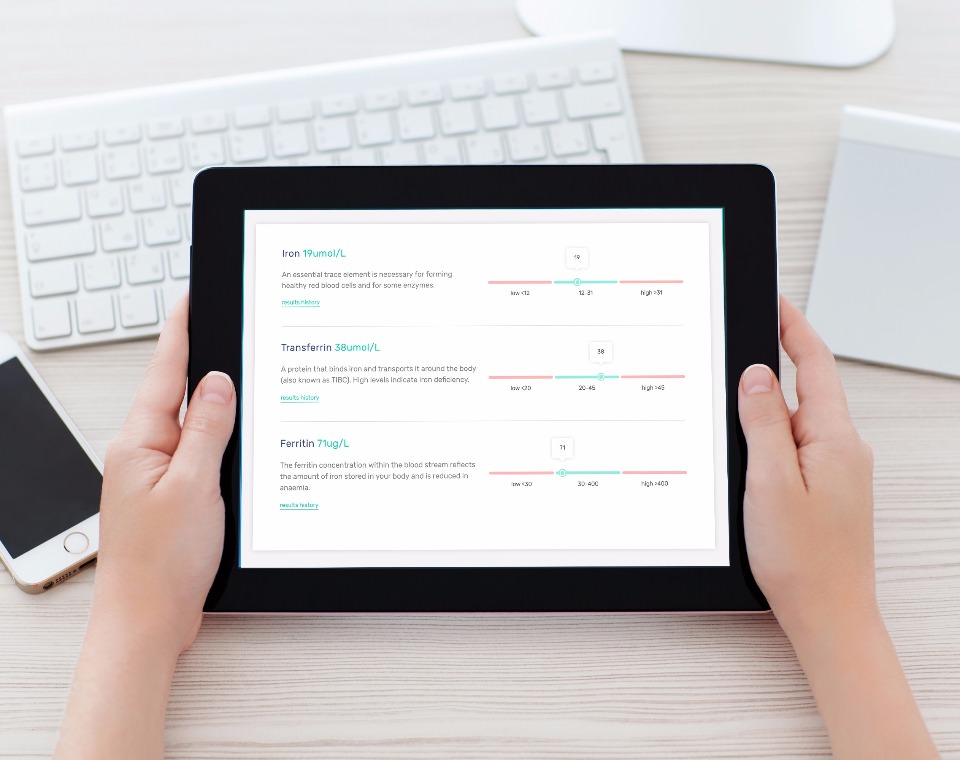
Insight into your nutritional health
Poor diet can have a significant impact on your health. It can cause conditions like obesity, metabolic syndrome and common chronic systemic diseases including cardiovascular disease, diabetes and osteoporosis.
This nutrition blood test is a comprehensive and reassuring way of assessing your current state of health and identifying common conditions based on the levels of vitamins and minerals in your blood.

Our Endurance Check measures key drivers of performance including your metabolic hormone function (including a cortisol test), levels of inflammation in the body, muscle damage, oxygen carrying capacity and bone health. We also test the function of your body’s essential organs to ensure you’re building on a solid foundation.
What's included
Male Hormone Panel
This hormone blood test measures levels of the key hormones and androgens that play an important role in governing masculinity and fertility.
Adrenal Function (Serum)
Two of the most important hormones that impact athletic performance are cortisol and DHEA, the long-lasting stress hormones produced by the adrenal glands. Cortisol has a catabolic effect which mobilises the body’s nutritional resources for fuel. DHEA has an opposing anabolic effect and coverts food into living tissue. In order to achieve your fitness goals cortisol and DHEA must be in proper balance.
Thyroid Function
Your thyroid gland produces hormones that regulate growth and energy expenditure. Thyroid disorders are quite common, and many people don’t have any symptoms at all. This thyroid test screens for the thyroid hormones that play a key role in regulating the body’s metabolism.
Full Blood Count
A full blood count provides a good snapshot of overall health and screens for a variety of disorders. It is used to assess immune function, infection, and anaemia, as well as nutritional status and exposure to toxic substances.
Metabolic Markers
With type 2 diabetes glucose builds up in the blood leading to problems with the heart, kidneys, eyes, nerves, and blood vessels. Unlike a regular blood sugar test, the HbA1c blood test is not affected by short-term changes, so even though you may have had high blood sugar on occasion, a good HbA1c result can show that you’re doing a good job of controlling your blood sugar levels over time.
Bone Health
Calcium and vitamin D play a critical role in maintaining bone health. When you don’t get enough calcium, you increase your risk of developing osteoporosis and stress fractures. This blood test measures your total and corrected calcium levels, your vitamin D levels, and also checks for gout.
Cholesterol
Lipids and cholesterol are fat-like substances in your blood. Some are necessary for good health, but when you have a high level of cholesterol in your blood, a lot of it ends up being deposited in the walls of your arteries and other vital organs. Lifestyle choices including diet, exercise and alcohol intake can all influence cholesterol levels and your risk of developing heart disease.
Liver Function
Your liver processes drugs and alcohol, filters toxic chemicals, stores vitamins and minerals, and makes bile, proteins and enzymes. This liver function test examines enzymes and other markers for evidence of damage to your liver cells or a blockage near your liver which can impair its function.
Kidney Function
Your kidneys filter waste from your body and regulate salts in your blood. They also produce hormones and vitamins that direct cell activities in many organs and help to control blood pressure. When the kidneys aren't working properly, waste products and fluid can build up to dangerous levels creating a life-threatening situation.
Pancreatic Function
Proteins, fats, and carbohydrates are broken down by stomach acids, enzymes produced by the pancreas, and bile from the liver. This process also releases micronutrients. This blood test measures the levels of enzymes produced by the pancreas.
Inflammation
Inadequate recovery from exercise or overtraining can result in inflammation and muscle damage.
Trace Minerals
Like vitamins, minerals are substances found in food that your body needs for growth and health. There are two kinds of minerals - macrominerals and trace minerals. Your body needs just small amounts of trace minerals which include iron, copper, zinc and selenium.
Macrominerals
Like vitamins, minerals are substances found in food that your body needs for growth and health. There are two kinds of minerals - macrominerals and trace minerals. Macrominerals are minerals your body needs in larger amounts.
Water Soluble Vitamins
Water-soluble vitamins are not stored in the body. The body absorbs what it needs and then usually excretes the excess in your urine. The body needs a continuous supply through a steady daily intake. B vitamins are a class of water-soluble vitamins which play important roles in cell metabolism, converting food into fuel and metabolising fats and proteins. They are important for the nervous system and brain function as well as a healthy liver, hair, skin and eyes, and they also strengthen the immune system.
Fat Soluble Vitamins
The fat soluble vitamins are soluble in lipids. These vitamins are usually absorbed in fat globules that travel through the lymphatic system of the small intestines and into the general blood circulation within the body. These fat soluble vitamins are then stored in body tissues.
Test instructions

Fast from all food and drink other than water for at least 8 hours, and no more than 12 hours prior to your test. Please note some collect centers require this test to be performed before 10am.

Visit the collection centre within one hour of waking for the most accurate hormone test measurements.

You’ll receive your venous blood (4 vials), in the mail, along with logistics for your sample collection. Prepaid postage and packaging is included. Take these to your nearest collection centre https://www.i-screen.co.nz/blood-testing-centres along with your pathology request form. The phlebotomist will use one of their own vials for the requested tests on the form and will collect (and spin for SST vials) the 4 vials you provide. The phlebotomist will provide these 4 vials back to you once samples have been collected for you to return in the post in the prepaid packaging.

Results for this test typically available in 2-3 weeks and will be published in your online dashboard.
Ready. Set. Go!
for $1495 NZD