

Well Woman Check Premium
$905 NZD
In today's hectic world, are you looking after yourself? Whatever stage of life you're at, this comprehensive blood test covers the essentials to help give you peace of mind when it comes to your health and longevity.
Peace of mind
The Well Woman Check is suitable for women of all ages. This blood test establishes base levels of important biomarkers which can be actively tracked for changes. It covers the essential hormone and nutritional blood tests to gauge overall well-being including a comprehensive female hormone screen, full blood count, cholesterol check, vitamin D, B vitamins and iron levels.

Based on your blood test results, our medical professionals will advise you on simple lifestyle changes you can make to stabilise these key health markers and reduce your risk of preventable disease. Put yourself first and take control of your health with this simple blood test.
What's included
Female Hormone Panel - Day 21
This hormone analysis includes an oestrogen and progesterone test, as well as an LH and FSH test. These sex hormones (in conjunction with adrenal and thyroid hormones) exert powerful effects on the body. Knowing the function and levels of these hormones is a positive step in creating hormone balance and achieving wellbeing.
Full Blood Count with differential
The full blood count is used as a broad screening test to check for such disorders as anaemia (decrease in red blood cells or haemoglobin), infection, and many other diseases. It is actually a group of tests that examine different parts of the blood. Results from the following tests provide the broadest picture of your health.
25-hydroxyvitamin D
Vitamin D is essential for bone strength as it helps the intestines absorb calcium. Calcium and vitamin D play a critical role in developing and maintaining your overall bone health, and when you don’t get enough you increase your risk of developing osteoporosis and the incidence of stress fractures.
B Vitamins
Inflammation
C-reactive protein (CRP) is a protein made by the liver and secreted into the blood. It is often the first evidence of inflammation or an infection in the body. Its concentration increases in the blood within a few hours after the start of infection or other inflammatory injury.
Cholesterol
Lipids and cholesterol are fat-like substances in your blood. Some are necessary for good health, but when you have a high level of cholesterol in your blood, a lot of it ends up being deposited in the walls of your arteries and other vital organs. Lifestyle choices including diet, exercise and alcohol intake can all influence cholesterol levels and your risk of developing heart disease.
Blood Glucose
Blood glucose is generated from carbohydrates and to use this fuel for energy your body needs insulin. With type 2 diabetes the cells either ignore the insulin or the body doesn't produce enough of it. Glucose then builds up leading to problems with the heart, kidneys, eyes, nerves, and blood vessels.
Liver Function
Your liver processes drugs and alcohol, filters toxic chemicals, stores vitamins and minerals, and makes bile, proteins and enzymes. This liver function test examines enzymes and other markers for evidence of damage to your liver cells or a blockage near your liver which can impair its function.
Kidney Function
A blood test is used to find out the level of waste products in your blood and calculate what’s called your estimated glomerular filtration rate (eGFR).
Iron Studies
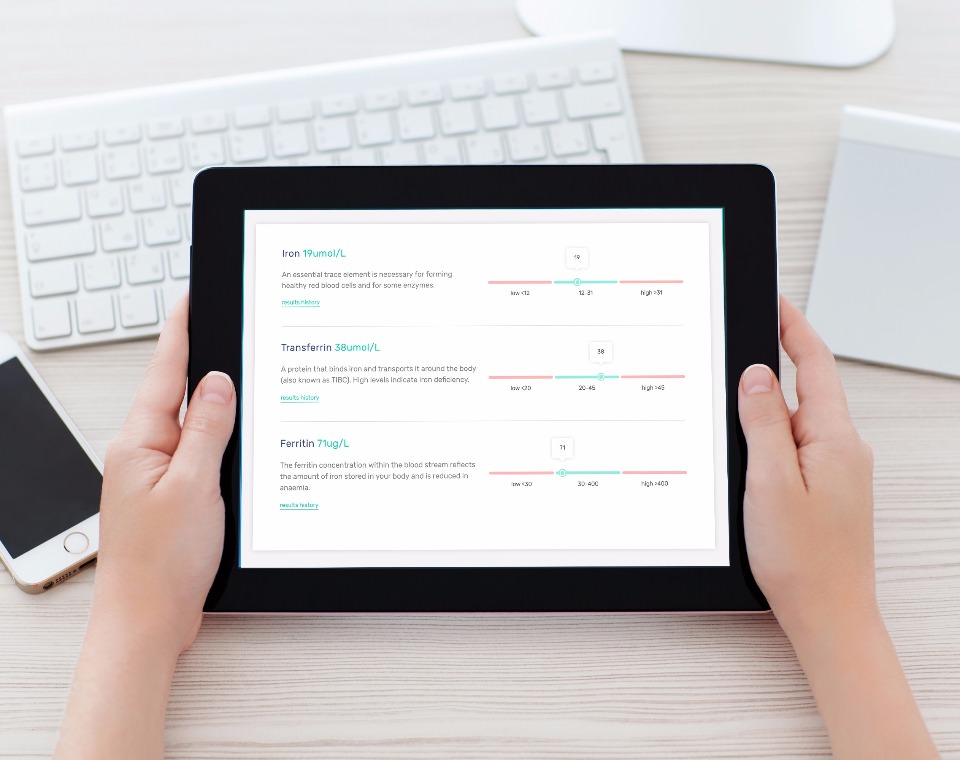
Iron deficiency is the most common nutritional problem in Australia. It slows your body’s production of haemoglobin, which your red blood cells need to pick up oxygen from your lungs and carry it to every cell in your body. If you have a shortage of iron you experience symptoms of anaemia, which include feeling breathless after little exercise, feeling tired, heart palpitations and looking pale.
Test instructions

Download and print your pathology form from your i-screen dashboard.

Take test 7 days before predicted date of menstruation (day 1). If menstrual cycle is 28 days, test on day 21. Or day 23 of a 30 day cycle, or day 19 of a 26 day cycle.
If it’s not possible to determine 7 days before menstruation, then you can also opt to do this test on day 3 of your cycle (where day 1 is the first day of menstrual bleeding). Just let us know which day you end up taking the test and we can apply the appropriate reference ranges to your results.

Fast from all food and drink other than water for at least 8 hours, and no more than 12 hours prior to your test. Please note some collect centers require this test to be performed before 10am.

Take your form to one of our affiliated collection centres to have your sample taken - no need for an appointment.
Ready. Set. Go!
for $905 NZD
You may also be interested in
Female Hormone Check
6 tests included
$315 NZD
Hormones are a vital part of the body's overall health. The work that hormones do is subtle yet when they fall out of balance, the effects on your health can be significant.
Thyroid Check
3 tests included
$140 NZD
1 in 7 people live with a thyroid condition with symptoms ranging from low energy and depression to unexplained weight gain and insomnia. If you don’t feel right but you can’t put your finger on why, this simple thyroid test can tell you if it's your thyroid.