

happy-family-walking-in-a-field-i-screen

Platinum Cardiovascular Check
$770 NZD
$995 NZD
Our most in-depth cardiovascular screening, combining every marker from our Cardiovascular Check, Lipoprotein Check, and Homocysteine Check into one complete panel. Standard cholesterol tests only tell part of the story. This panel goes deeper — measuring the size and density of your lipoprotein particles, the balance of protective vs harmful apolipoproteins, and independent risk markers like Lipoprotein(a) and Homocysteine that are often missed in routine testing. Ideal for anyone with a family history of heart disease, those wanting the most thorough cardiovascular risk assessment, or anyone who wants to leave nothing to chance.
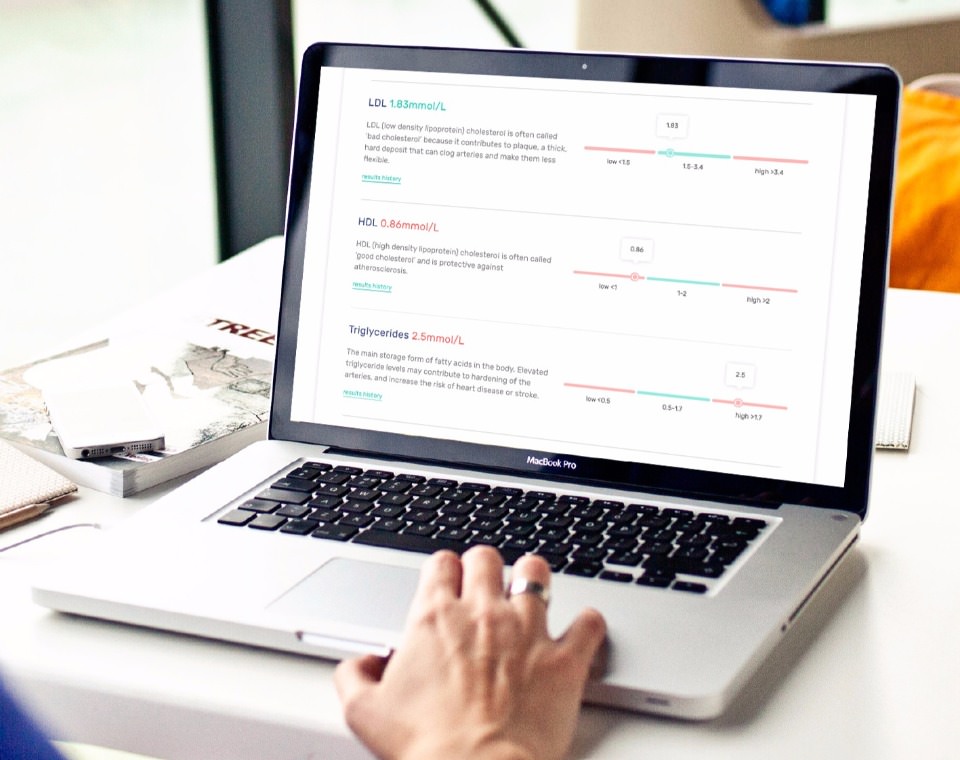
cholesterol_dashboard

Know your real risk of heart attack

Low-density lipoproteins (LDL) transport lipids throughout the body. Their composition changes as they circulate in the blood varying from large and fluffy, to small and dense. A traditional LDL blood test measures the amount of LDL cholesterol present in the blood but not the number of particles. Studies have shown that increased numbers of small dense LDL particles are associated with inflammation and are more likely to cause atherosclerosis than fewer light fluffy LDL particles.

multi-generational-family-walking-outside-i-screen

Researchers think that an increased number of small dense LDL particles could be one of the reasons that some people have heart attacks even though their total cholesterol and LDL cholesterol are not particularly high. The number of small dense LDL particles you have is determined by a combination of your genetics, your gender, and your lifestyle. Certain diseases and conditions, such as diabetes and high blood pressure are also associated with increased levels of small dense LDL particles. Check out our blog for more information.

What's included
Cholesterol
Lipids and cholesterol are fat-like substances in your blood. Some are necessary for good health, but when you have a high level of cholesterol in your blood, a lot of it ends up being deposited in the walls of your arteries and other vital organs. Lifestyle choices including diet, exercise and alcohol intake can all influence cholesterol levels and your risk of developing heart disease.
IDL
Intermediate Density Lipoprotein (IDL) is a class of lipoproteins formed in the degradation of VLDLs. IDL cholesterol is linked with type III dyslipidaemia and associated hyperlipoproteinaemias.
Large LDL
Large buoyant less atherogenic Low Density Lipoprotein 1 and 2 are associated with average coronary artery disease risk.
Small Dense LDL
Studies have shown that increased numbers of small dense LDL particles are associated with inflammation and are more likely to cause atherosclerosis than fewer light fluffy LDL particles.
Lipoprotein (a)
High levels of Lp(a) increase your risk of atherosclerosis and is an inherited genetic condition.
Lipid Subfractions Summary
Homocysteine
Elevated homocysteine blood test levels are a risk factor for cardiovascular disease, and may also be elevated in cases of malnutrition or vitamin B12 or folate deficiency.
Inflammation
C-reactive protein (CRP) is a protein that increases due to inflammation. There is growing evidence that atherosclerosis (fatty build-up in artery walls) is an inflammatory process, however this type of inflammation produces only small amounts of CRP. Therefore this test is known as high-sensitivity CRP or hs-CRP.
Apolipoprotein Ratio
The apo B/apo A1 ratio indicates the cholesterol balance between potentially atherogenic (bad) and anti-atherogenic (good) particles. For men this should be below 0.9 and for women it should be below 0.8.
Test instructions
instruction-food
Fast from all food and drink other than water for at least 8 hours, and no more than 12 hours prior to your test. Please note some collect centers require this test to be performed before 10am.
instruction-collection
You’ll receive your venous blood kit, in the mail, along with logistics for your sample collection. Prepaid postage and packaging is included. Take these to your nearest collection centre https://www.i-screen.co.nz/blood-testing-centres along with your pathology request form. The phlebotomist will use one of their own vials for the requested tests on the form and will collect (and spin for SST vials) the vial(s) you provide. The phlebotomist will provide these vial(s) back to you once samples have been collected for you to return in the post in the prepaid packaging.
instruction-collection
Note that the collection center MAY charge you an additional fee of approx $35-107.50 for your blood draw and spin if you do not have a pathology form for a collection for any other tests. It is advised to call and confirm charges beforehand.
calendar-instructions instruction-kit
Results for this test available in 2-4 weeks depending on region and will be published in your online dashboard.
Ready. Set. Go!
for $770 NZD
0